A large group photograph is often an easy first choice for an event recap. Many people are in the frame, and the event branding is visible. On a phone, however, the banner may remain readable while the faces become tiny. That need not mean the photograph has failed. It may simply be carrying too many jobs at once.
Keeping the group in view and bringing individual people closer are different tasks. Three photographs from the AAEDT student design competition award ceremony collection offer a way to separate them: retain the breadth of the group, add a closer group photograph, and include a frame that gives the gathering some context.
Decide what this group photograph must retain
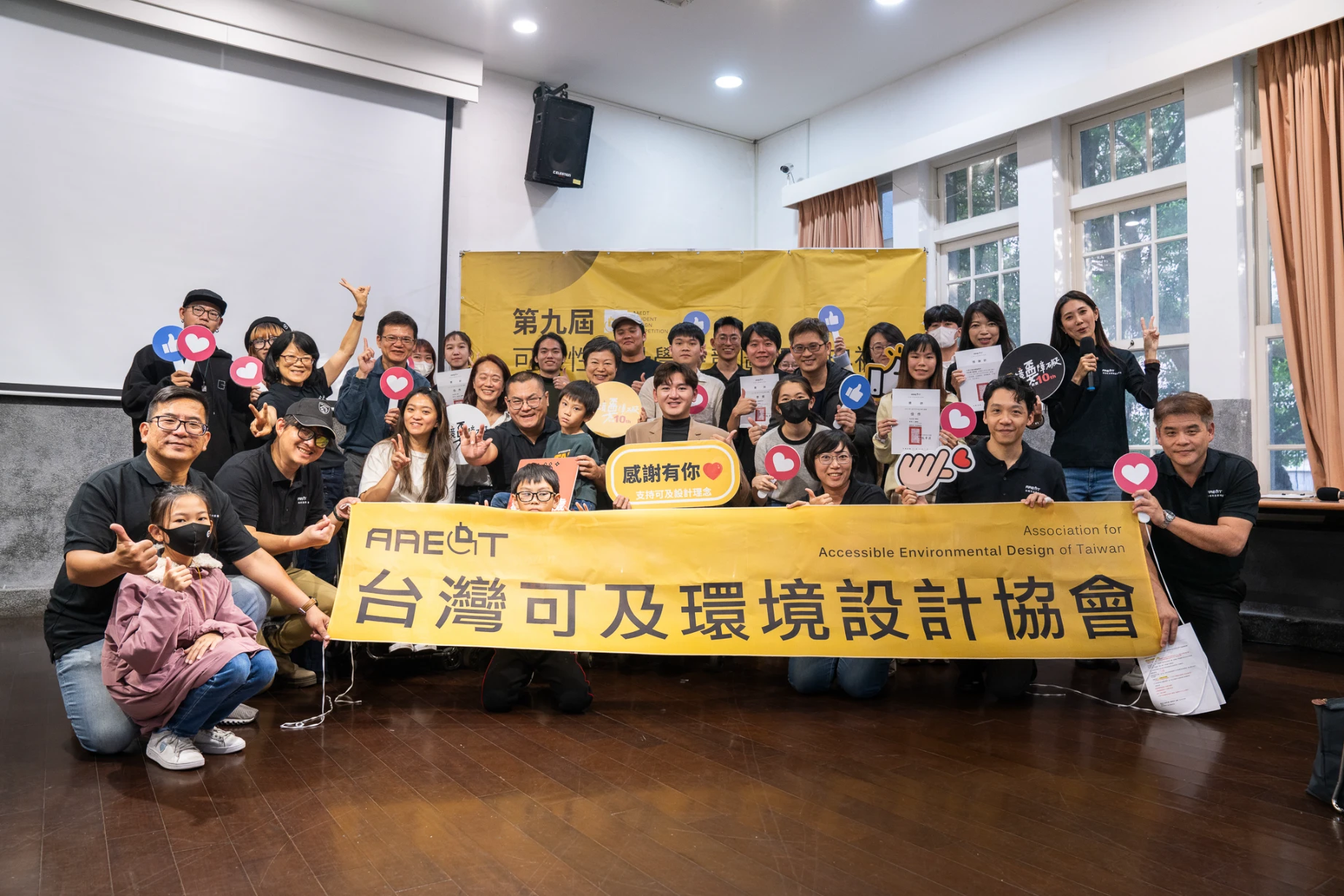
In the first photograph, a yellow banner stretches across the front row. People occupy different heights behind it, some holding signs and others certificates. The banner is easy to read; recognising people at the sides and towards the back requires a closer look. If the photograph is being used to preserve this group together, its edges are not expendable space.
Inspect the full-size image first. Check both ends of the group and the back rows for obscured faces or people close to the edge. Then place it in the intended layout and assess whether people remain recognisable at that size. A clear original does not guarantee a clear image in a narrow placement.
There is a useful order to these decisions: retain the people the image needs to include, then decide how much of the banner must be readable. The event name can appear in the page heading. A person cut out of the photograph cannot be put back into the group by adding a line of text.
Add a smaller group without presenting a part as the whole
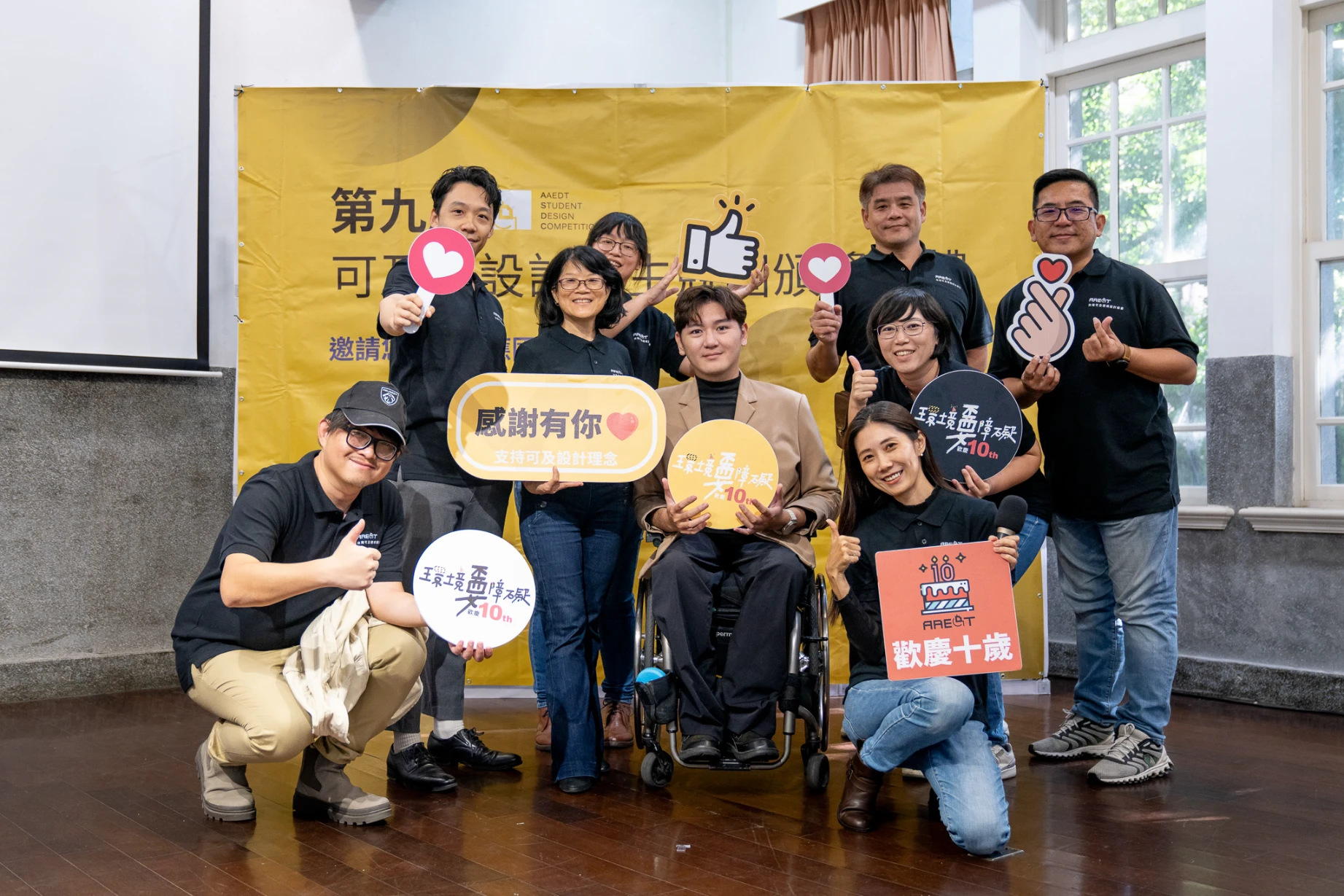
The second image is a separately photographed group. With fewer people, faces and handheld signs occupy more of the frame. Standing, crouching, and seated positions distribute people across different heights. It brings the viewer closer without replacing the other people shown in the first photograph.
If a large group becomes difficult to read at a smaller size, keep the complete image and pair it with a smaller group photograph. Avoid selecting only the central people and continuing to present that crop as the full original group. When a partial crop is needed, the accompanying words should describe that part rather than calling it everyone.
A portrait-shaped layout does not always require an edge-to-edge crop. Keeping a landscape photograph in its original proportions, with the heading and explanation outside it, may better serve the record. If the layout cannot change, choose another suitable photograph instead of allowing the crop to decide who remains.
Include a frame that gives the gathering a subject
A group photograph shows people together, but rarely explains much about what they discussed. In the third frame, a person holds a microphone in front of panels containing text and design images. Readers need not decipher every panel to gain a concrete clue: this event also involved people expressing ideas around design.
The photograph does not need an invented story about the joy of winning. A smile is visible; the person’s feelings, identity, award status, and spoken words are not established by an expression or a position beside a panel. If the recap needs those details, use information checked with the organiser.
Nor does including a panel mean readers on a phone can read all of it. Put essential project titles and explanations into readable body text. A portrait should not also have to function as a scan of an entire display board.

Before delivery, ask what each photograph adds
Place the candidates together and ask what a reader would lose if one were removed. If the answer is only another similar smile, it may not need a place. If the loss is the breadth of the group, a closer expression, or the substance of the event, the photograph has a distinct contribution.
- For the large group, check the people at the edges as well as the completeness of the branding.
- For the smaller group, describe the people actually shown without implying a complete attendance list.
- For the contextual frame, verify names, projects, and awards separately rather than assigning them from background text or position.
This is not a requirement to assemble three photographs every time. It is a way to let images complement one another. See the complete AAEDT award ceremony collection, or, for planning before a shoot, our brand photography shot list. An event recap need not make every photograph explain everything. It should give both the people and the subject of their gathering room to remain.