Heritage survives in use.
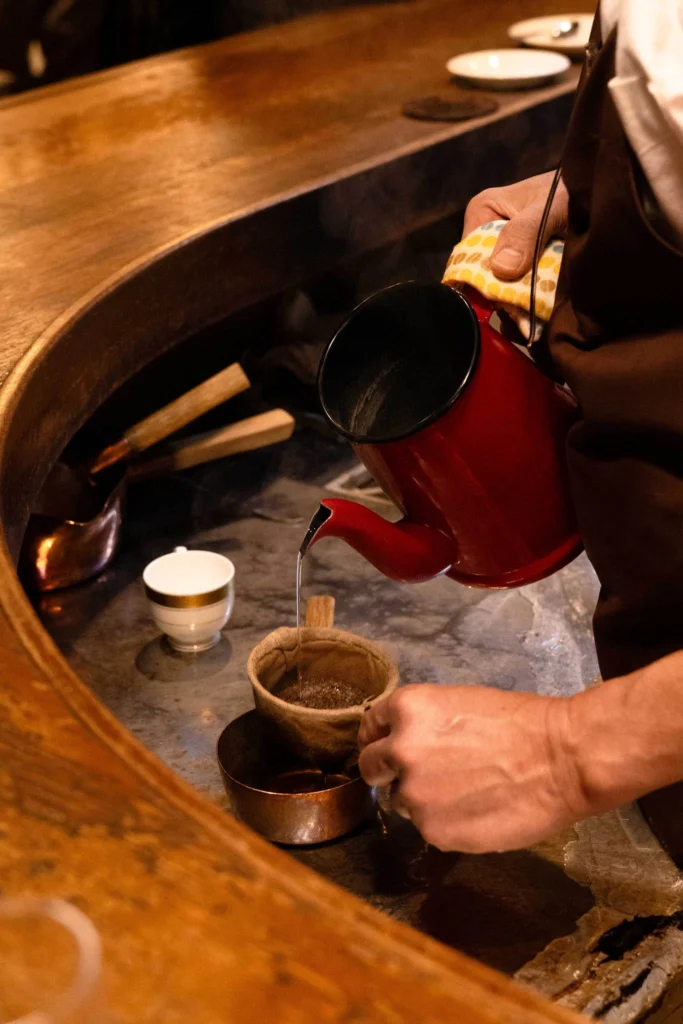
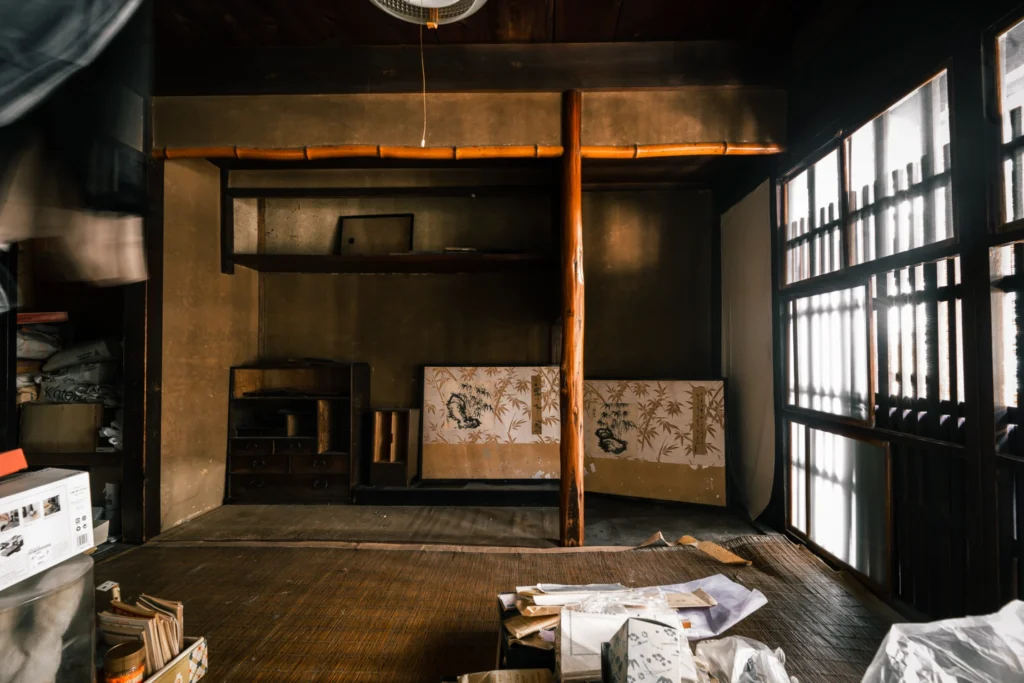
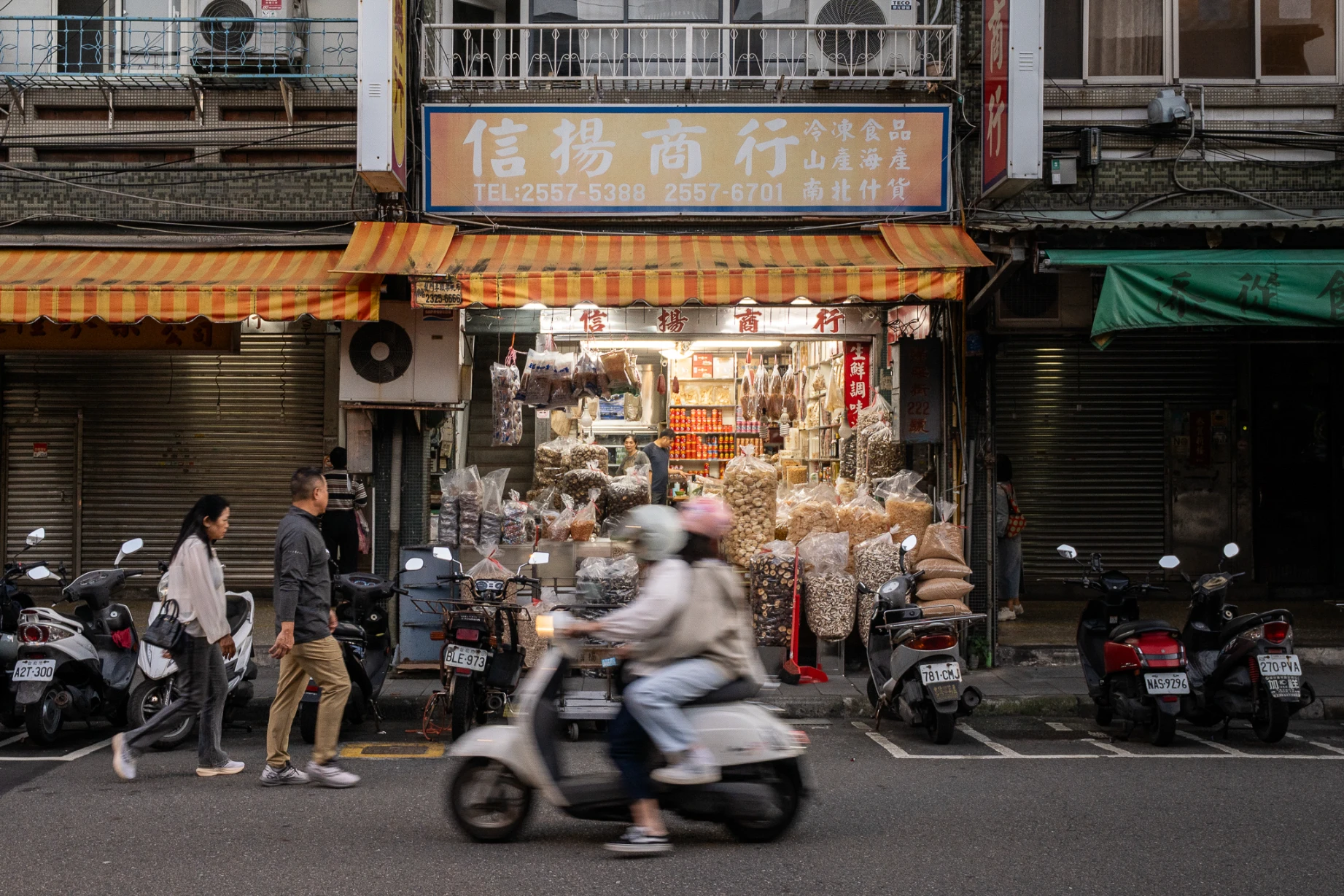
This photographic observation of Dadaocheng focuses on historic streets, everyday life, and the shopfronts that hold both together. Architecture, commerce, and daily movement remain in the same frame.
That distinction matters. A historic district can be photographed as a preserved surface: façades, signs, textures, and an atmosphere detached from the people who use it. But a street becomes more legible when the frame keeps daily activity in view.
The shopfront is a useful place to begin. It is where architecture meets commerce, where a building faces the public, and where a neighbourhood’s pace becomes visible. A doorway, a display, a handwritten sign, or the threshold between pavement and interior can say more about a district than a wide landmark image alone.

For Moss & Grain, the value of this kind of photography is not nostalgia. It is clarity. A photograph should help viewers understand that cultural continuity is not fixed in the past; it is maintained through repeated use, local exchange, and the ordinary work of keeping a street alive.
This approach is useful for cultural institutions, neighbourhood businesses, hospitality projects, and place-based organisations. Their content should not reduce a location to a backdrop. It should show the relationship between physical character and present-day life—the conditions that make a place recognisable, usable, and worth returning to.
Wide views establish context. Shopfronts and thresholds show how the street is used. Closer details invite attention to the materials and signs encountered along the way. Each distance answers a different question about the same neighbourhood.
Dadaocheng does not need to be exaggerated to be compelling. Its value is already visible in the ongoing relationship between the street and the people moving through it.
To view the complete photographic project, visit Dadaocheng, Taipei — Historic Streets and Everyday Life.